
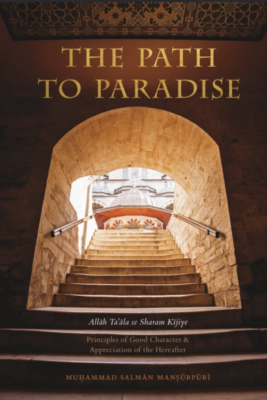
Pathway to Paradise, written by Lajna Imaillah USA, is an informative guidebook that introduces readers to the fundamental teachings and principles of Islam. The book aims to help readers understand how Islamic teachings can be applied in everyday life to develop a strong relationship with Allah, strengthen moral character, and build peaceful family and social relationships.
The title reflects the central message of the book: attaining spiritual success requires faith, righteous actions, good character, and a sincere effort to follow the guidance of Islam.
Summary of the Book
The book covers a range of Islamic subjects, providing readers with guidance on religious beliefs, worship, moral responsibilities, family relationships, and contemporary issues. It explains how Islamic principles can guide Muslims in their personal, spiritual, and social lives.
One of the important themes is the relationship between faith and practice. The book emphasizes that belief in Allah should be reflected in daily conduct through prayer, honesty, patience, kindness, and service to others. It encourages readers to make religious values an integral part of their routines rather than limiting faith to formal acts of worship.
Another significant subject is family life. The book discusses Islamic guidance concerning marriage, family responsibilities, and relationships between individuals. It highlights the importance of mutual respect, compassion, responsibility, and understanding in maintaining a harmonious household.
The book also addresses women’s roles and responsibilities, Islamic customs, and contemporary social questions. Through these discussions, it seeks to help readers distinguish religious teachings from cultural practices and understand how Islamic principles can be applied to the challenges of modern life.
Critical Analysis
One of the main strengths of Pathway to Paradise is its practical approach to religious education. Rather than treating Islam only as a collection of beliefs and rituals, the book connects religious teachings with everyday decisions and responsibilities. This makes it useful for readers who wish to strengthen their understanding of Islam and apply its principles in their personal lives.
Another strength is its broad coverage of topics. By discussing worship, morality, family relationships, and contemporary issues, the book provides a useful starting point for further learning. It is particularly relevant for Muslim women and young readers who want to develop their religious knowledge and understand the practical implications of Islamic teachings.
The book also encourages reflection on personal responsibility. Its themes suggest that spiritual development involves continuous self-improvement, consideration for others, and a sincere commitment to righteous conduct.
However, readers looking for an advanced academic study of Islamic theology, jurisprudence, or the historical development of Islamic societies may need to consult additional scholarly sources. The book is primarily a guide to religious understanding and practice rather than a comprehensive comparative or historical analysis.
Relevance to Contemporary Life
The lessons presented in Pathway to Paradise remain relevant to contemporary life, particularly in a world where individuals face challenges involving family relationships, moral choices, social pressures, and personal well-being.
The book encourages readers to approach these challenges through faith, patience, honesty, and compassion. Its emphasis on family responsibilities and respectful relationships can also inspire readers to contribute to a more peaceful and supportive community.
Furthermore, the book reminds readers that spiritual growth is a continuous process. Developing good habits, fulfilling responsibilities, seeking knowledge, and treating others with kindness are important steps towards living a meaningful and purposeful life.
Conclusion
In conclusion, Pathway to Paradise by Lajna Imaillah USA is a valuable introductory guide to Islamic teachings and their application in everyday life. It explores the importance of faith, worship, moral conduct, family relationships, and social responsibility in the pursuit of spiritual development.
The book’s practical approach makes it useful for readers who wish to strengthen their religious knowledge and incorporate Islamic values into their daily routines. Although additional sources may be helpful for readers seeking deeper academic analysis, this guidebook provides a foundation for reflection, learning, and personal improvement.
Overall, Pathway to Paradise encourages readers to pursue a life guided by faith, righteousness, kindness, and service to humanity. Its central message is that the path to spiritual success is built through a sincere relationship with Allah and the consistent practice of good deeds.