
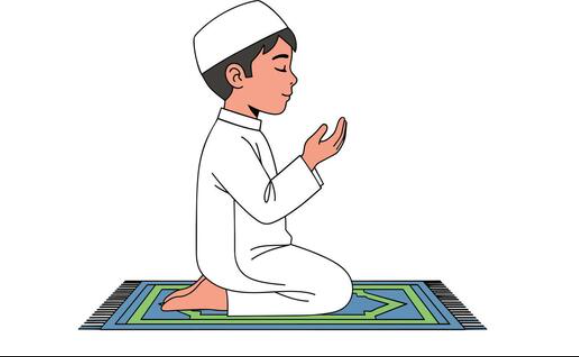
Salāt al-Tahajjud—the voluntary night prayer performed in the last part of the night—is one of the most spiritually elevating acts in Islam. Practiced by the Prophets and the righteous, it represents sincerity, devotion, and a deep connection with Allah بعيدًا عن أعين الناس (away from the eyes of people). Its benefits, as highlighted in the Qur’an and Hadith, touch every dimension of a believer’s life.
From the Qur’anic perspective, Tahajjud is a means of attaining closeness to Allah and spiritual elevation. Allah says:
وَمِنَ اللَّيْلِ فَتَهَجَّدْ بِهِ نَافِلَةً لَّكَ عَسَىٰ أَن يَبْعَثَكَ رَبُّكَ مَقَامًا مَّحْمُودًا (Surah Al-Isra 17:79)
“And during the night, pray with it (the Qur’an) as additional worship for you; it is expected that your Lord will raise you to a مقام محمود (a praised station).”
This verse reflects that Tahajjud is not just an عبادہ (act of worship), but a path to honor and distinction in the sight of Allah.
Another powerful description comes in:
كَانُوا قَلِيلًا مِّنَ اللَّيْلِ مَا يَهْجَعُونَ وَبِالْأَسْحَارِ هُمْ يَسْتَغْفِرُونَ (Surah Adh-Dhariyat 51:17–18)
“They used to sleep but little of the night, and in the hours before dawn, they would seek forgiveness.”
Here, Allah praises those who wake in the last part of the night, showing that Tahajjud is a علامة الصالحين (sign of the righteous).
From the Hadith, the virtues of Tahajjud are equally profound. The Prophet ﷺ said, as reported in Sahih Muslim:
أَفْضَلُ الصَّلَاةِ بَعْدَ الْفَرِيضَةِ صَلَاةُ اللَّيْلِ
“The best prayer after the obligatory prayers is the night prayer.”
This establishes Tahajjud as the most superior voluntary act of worship.
In another deeply inspiring Hadith (reported in Sahih al-Bukhari and Sahih Muslim), the Prophet ﷺ described Allah’s mercy during the last third of the night:
يَنْزِلُ رَبُّنَا إِلَى السَّمَاءِ الدُّنْيَا… فَيَقُولُ: مَنْ يَدْعُونِي فَأَسْتَجِيبَ لَهُ…
“Our Lord descends to the lowest heaven in the last third of the night and says: Who is calling upon Me so I may answer him? Who is asking Me so I may give him?”
This moment is a unique opportunity where du‘ā (supplication) is especially accepted, making Tahajjud a powerful time for seeking forgiveness, guidance, and relief from hardships.
Beyond spiritual rewards, Tahajjud has profound psychological and personal benefits. Waking up in the quiet of the night fosters discipline, sincerity, and emotional strength. It is a time free from distractions, allowing deep reflection (tadabbur), heartfelt supplication, and inner healing. It builds patience, strengthens reliance on Allah (tawakkul), and cultivates humility.
Importantly, Islam does not burden believers with difficulty. Even two rak‘ahs prayed sincerely in the last part of the night can be immensely rewarding. The essence of Tahajjud lies not in length, but in sincerity, consistency, and حضور القلب (presence of the heart).
In conclusion, Ṣalāt al-Tahajjud is more than a voluntary prayer—it is a gateway to قرب الله (closeness to Allah), a source of inner peace, and a means of transforming one’s life. In the stillness of the night, when the world sleeps, the believer stands before their Lord, finding نور, mercy, and strength that illuminate the path of their daily life.