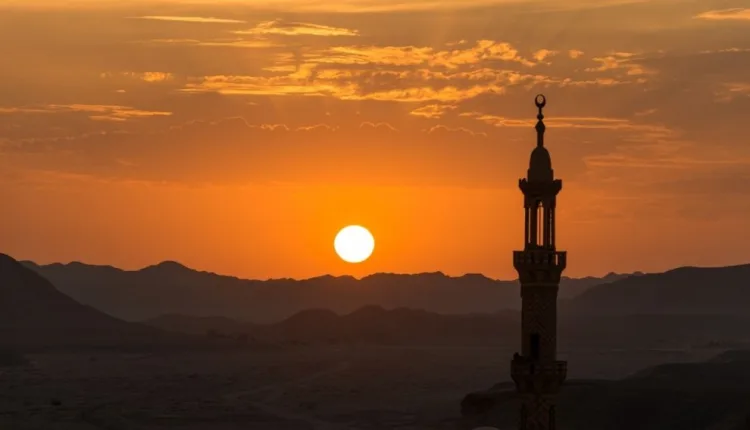

Solat (also spelled Salah) is the second pillar of Islam and refers to the ritual prayer that every adult Muslim is obligated to perform. It is the most direct form of worship, serving as a daily connection between the believer and Allah. Solat is not only a physical act but also a spiritual discipline that cultivates mindfulness, obedience, and moral integrity.
Definition and Significance
Solat is an Arabic term meaning “prayer” or “connection”. In Islam, it represents a structured form of worship prescribed in the Qur’an and exemplified by the Prophet Muhammad (peace be upon him). It functions as:
-
A demonstration of submission to Allah.
-
A reminder of divine presence and accountability.
-
A means of purifying the heart and soul.
The Qur’an emphasizes Solat repeatedly, describing it as a source of guidance, protection from evil, and a path to spiritual success (Qur’an 2:110, 29:45).
Obligatory Times
Muslims are required to perform Solat five times a day, each at prescribed times:
-
Fajr – Dawn
-
Dhuhr – Midday
-
Asr – Mid-afternoon
-
Maghrib – Sunset
-
Isha – Night
These fixed times create a rhythm of remembrance, helping believers maintain spiritual consciousness throughout the day.
Components of Solat
Solat involves both physical actions and verbal recitations. Its structure includes:
-
Takbir: Raising the hands and declaring “Allahu Akbar” (Allah is the Greatest).
-
Qiyam: Standing and reciting verses from the Qur’an, especially Surah Al-Fatiha.
-
Ruku’: Bowing with hands on knees, glorifying Allah.
-
Sujood: Prostration with the forehead on the ground, symbolizing humility.
-
Tashahhud and Salam: Sitting to recite testimonies of faith and concluding the prayer.
Each movement is performed with intention (niyyah) and mindfulness (khushu’), emphasizing that Solat is both an inner and outer act of devotion.
Spiritual and Social Benefits
Spiritual Benefits:
-
Fosters a constant connection with Allah.
-
Develops patience, self-discipline, and humility.
-
Protects against immoral behavior and sinful thoughts.
Social Benefits:
-
Congregational prayers, particularly Friday Jumu’ah prayers, build community bonds.
-
Praying in the mosque encourages equality, as all Muslims stand side by side regardless of social status.
Conclusion
Solat is more than a ritual; it is the heart of Islamic spiritual life. By observing the five daily prayers, Muslims continually reaffirm their faith, strengthen their relationship with Allah, and cultivate personal discipline. It serves as a guiding force for ethical conduct, a source of spiritual purification, and a unifying practice for the global Muslim community.