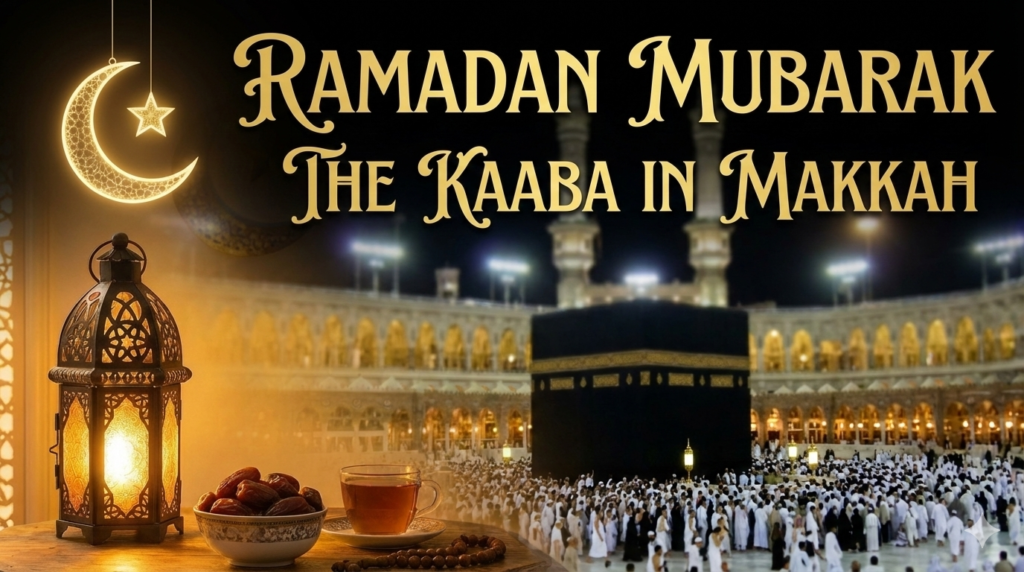
Hajj, the fifth pillar of Islam, is a sacred pilgrimage to the holy city of Makkah in Saudi Arabia, required of every adult Muslim who is physically and financially able to undertake it at least once in their lifetime. Unlike other forms of worship, Hajj is both a personal spiritual journey and a profound communal experience, symbolizing equality, devotion, and unity among Muslims worldwide.
Religious Significance
Hajj is deeply rooted in Islamic history and theology. It commemorates the acts of Prophet Ibrahim (Abraham) and his family, especially the willingness of Ibrahim to sacrifice his son in obedience to Allah, and the perseverance of Hajar (Hagar) in her search for water for her son Isma’il (Ishmael). Performing Hajj fulfills a divine commandment and demonstrates submission to Allah.
The Qur’an emphasizes Hajj as an obligation for those who are able:
“And Hajj to the House (Kaaba) is a duty that mankind owes to Allah – those who can afford the expenses.” (Qur’an 3:97)
Rituals of Hajj
Hajj is performed during the Islamic month of Dhu al-Hijjah and involves a series of prescribed rituals, each rich in symbolism:
-
Ihram – Entering a state of spiritual purity and wearing specific attire to symbolize equality and humility.
-
Tawaf – Circumambulating the Kaaba seven times, demonstrating devotion to Allah.
-
Sa’i – Walking seven times between the hills of Safa and Marwah, commemorating Hajar’s search for water.
-
Standing at Arafat (Wuquf) – Spending the afternoon in prayer and reflection at the plain of Arafat, considered the pinnacle of Hajj.
-
Muzdalifah – Collecting pebbles for the symbolic stoning of the devil.
-
Ramy al-Jamarat – Throwing stones at three pillars, symbolizing the rejection of evil.
-
Eid al-Adha Sacrifice – Offering an animal sacrifice in remembrance of Ibrahim’s devotion.
-
Tawaf al-Ifadah – A final circumambulation of the Kaaba, representing spiritual renewal.
Spiritual and Social Benefits
Spiritual Benefits:
-
Strengthens faith and submission to Allah.
-
Offers purification of sins and spiritual renewal.
-
Enhances humility, patience, and perseverance.
Social Benefits:
-
Promotes unity and equality, as pilgrims from all backgrounds stand together in prayer.
-
Encourages empathy and compassion, fostering global Muslim solidarity.
-
Reinforces a sense of shared history and identity within the Muslim community.
Conclusion
Hajj is not merely a physical journey but a transformative spiritual experience. It embodies the essence of devotion, equality, and communal harmony in Islam. By fulfilling this pillar, Muslims strengthen their relationship with Allah, renew their spiritual commitment, and participate in a ritual that has united believers across centuries and continents. Hajj is both a personal act of worship and a timeless testament to the universality of the Islamic faith.