It was too beautiful a day to retreat indoors, so my mother and I lingered on the brick ledge bordering our neighbor’s blooming garden. We lived in Borough Park, Brooklyn, where more than ninety percent of the neighborhood was Hasidic Jewish. Their devotion to Judaism seemed to mirror our commitment to Islam. Perhaps that contrast, along with the widespread notion I encountered everywhere—that religion was becoming irrelevant—fed the quiet unease stirring in my mind.
More than twenty years have passed since that afternoon, yet I still remember the anxious weight I felt as I gathered the courage to voice a question that had been pressing on my heart. My longing for an answer, and my trust in the ocean of love sitting beside me, finally propelled the words from my lips: “Mama, how do we know Islam is right?”
She smiled and met my gaze. Encouraged, I continued, “Every parent tells their child, ‘This is the true religion.’ So what makes us so certain that we are the ones who are actually right?” Her response was something like, “Just have faith.” It was precisely the answer I had feared—especially as a curious thirteen-year-old navigating a postmodern world, and soon to be a Muslim in New York City during a time when Islamophobic sentiments would intensify after the 9/11 attacks only a few miles away.
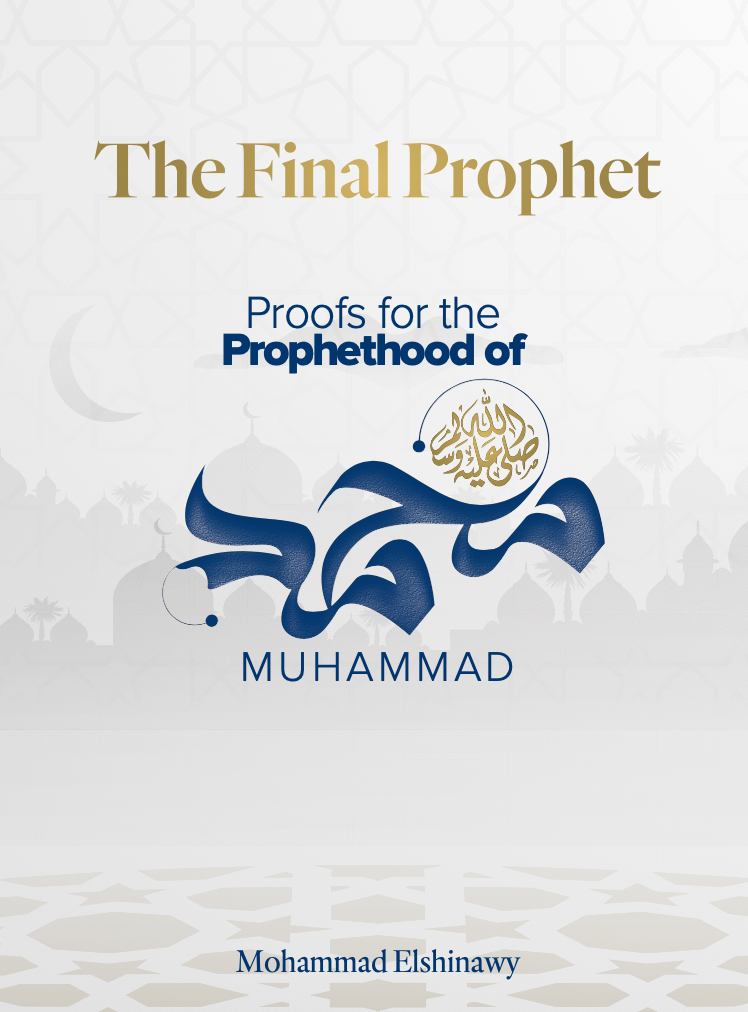
Yet, in hindsight, it was exactly what I needed. That simple response became the starting point of my personal faith journey, equipping me to endure the wave of hostility that followed and inspiring the very book you now hold. It is a resource I wish had existed when I first explored the world’s major religions, assuming they were all adopted blindly, incompatible with critical thinking, and therefore unworthy of commitment when faith became socially inconvenient.